You’ve heard of Rio, but if you want to see Brazil’s real culture, go to Salvador. It was the country’s first capital until 1763 and is the heart of Afro-Brazilian life. The city feels different from the rest of Brazil. I’ve walked around its streets a lot and want to show you what it’s really like, not the tourist version.
Where Is Salvador
Salvador sits on the Bay of All Saints and has a cool layout with an upper and lower part. The upper city has the historic Pelourinho area and most of the homes. The lower city is where you’ll find the port and main shops.
What really makes Salvador stand out is its Afro-Brazilian roots. The city was founded in 1549 and became a major entry point for enslaved Africans. A significant portion brought to the Americas passed through Bahia.
That history shaped the culture here. Music, food, religion, and art all reflect a strong mix of African, Portuguese, and Indigenous traditions.
Top Attractions & Activities
Before we get into what to see and do, let me show you a few of my favorite spots, starting with where I spent most of my mornings.
Pelourinho Historic District
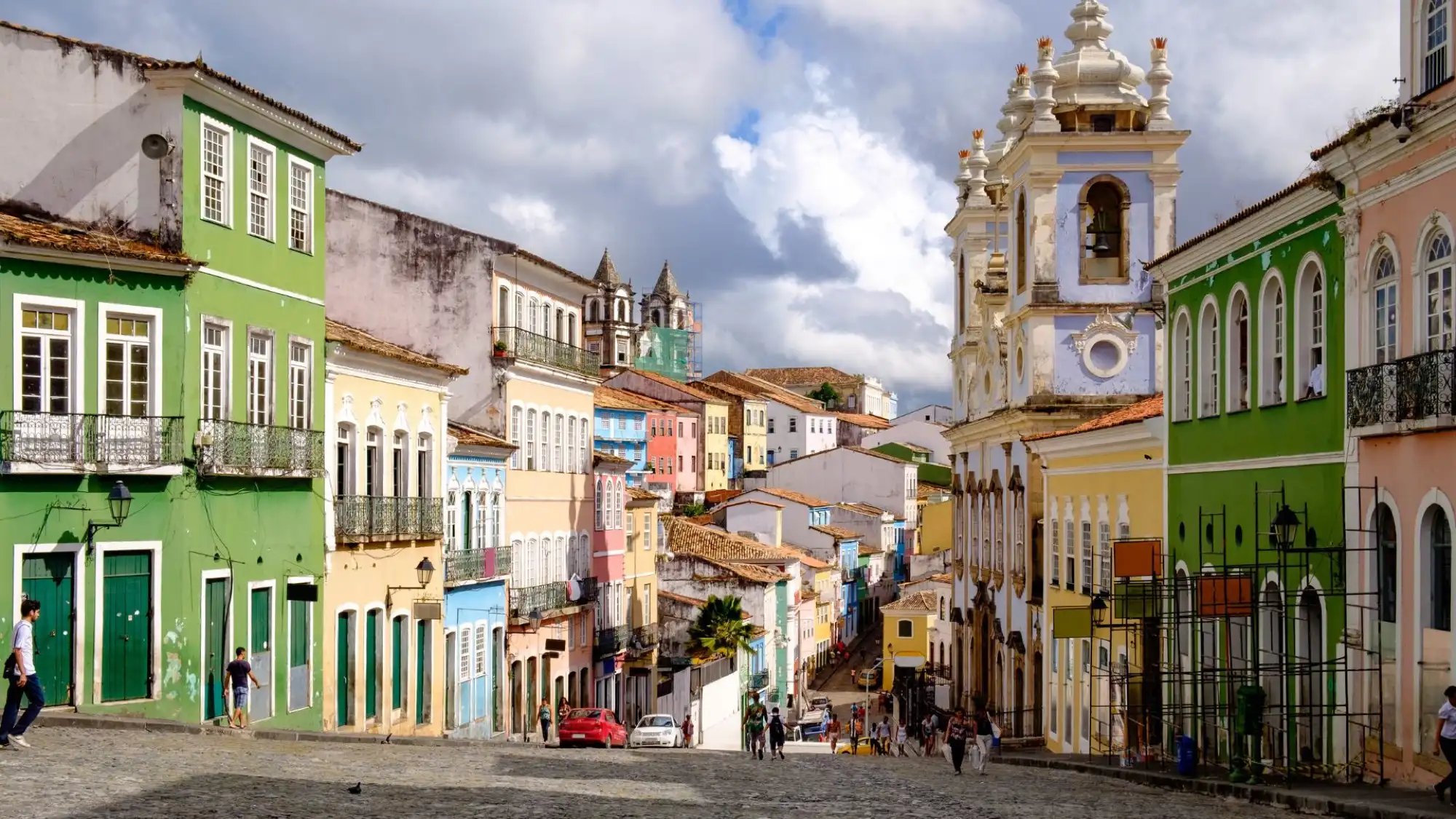
The UNESCO-listed old town is usually the first stop, and it’s easy to see why. Cobblestone streets, colorful buildings, baroque churches, it’s all there. But it can feel a bit touristy if you don’t explore beyond the main drag.
I liked going early, around 9am, when it was quiet and you could actually take it all in. São Francisco Church is inside, all gold and detail. The Afro-Brazilian Museum is also worth a stop, though most signs are in Portuguese.
Be aware that some guides will steer you into shops for commission. Nothing wrong with that, but I found the best moments just walking side streets or showing up on a Tuesday night when the main square turns into a street party.
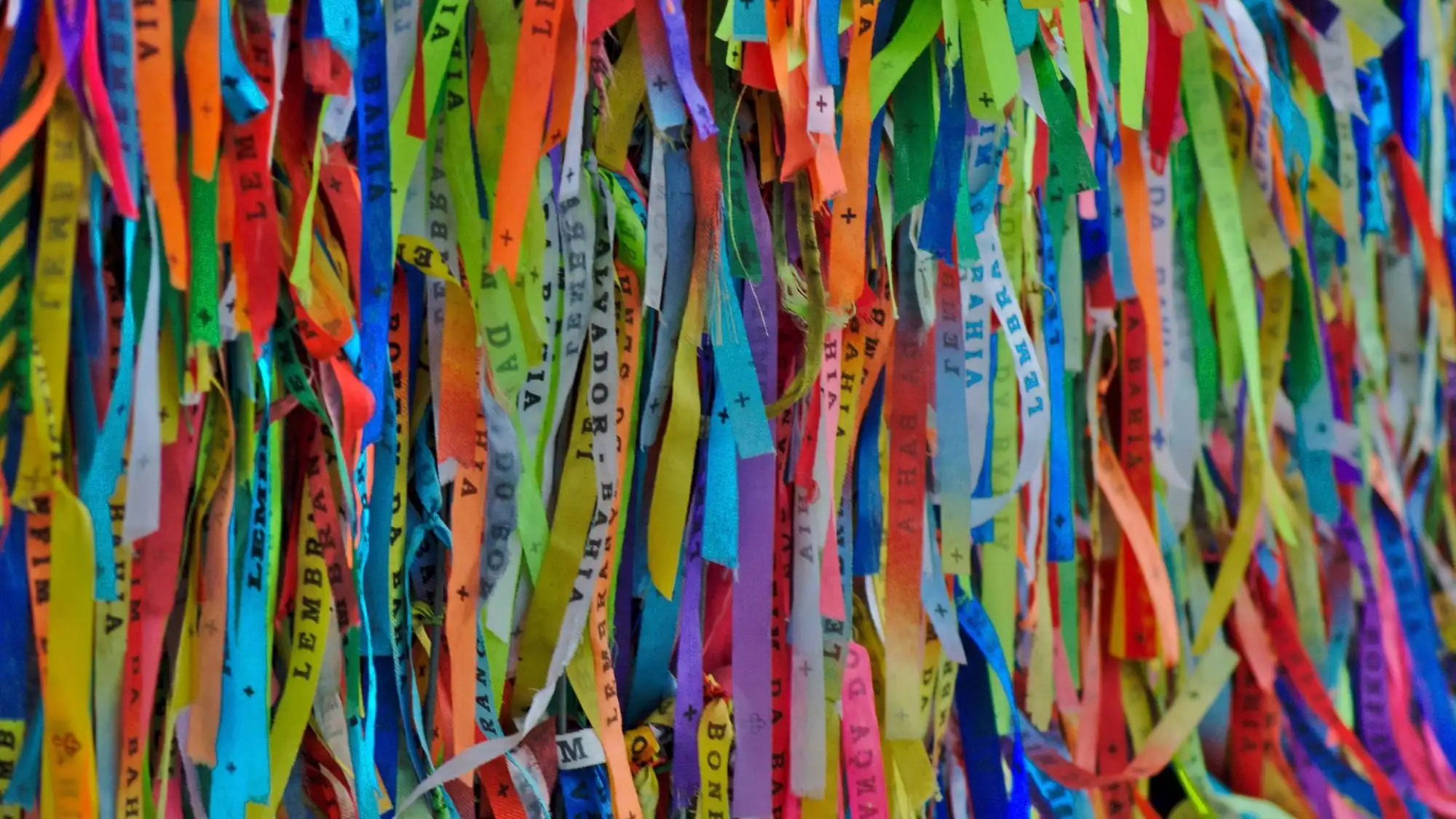
Top tip: If someone tries to tie a ribbon on your wrist and asks for money, just say “Tá me tirando, rei?” (“Are you kidding me, man?”) and walk away.
Elevador Lacerda
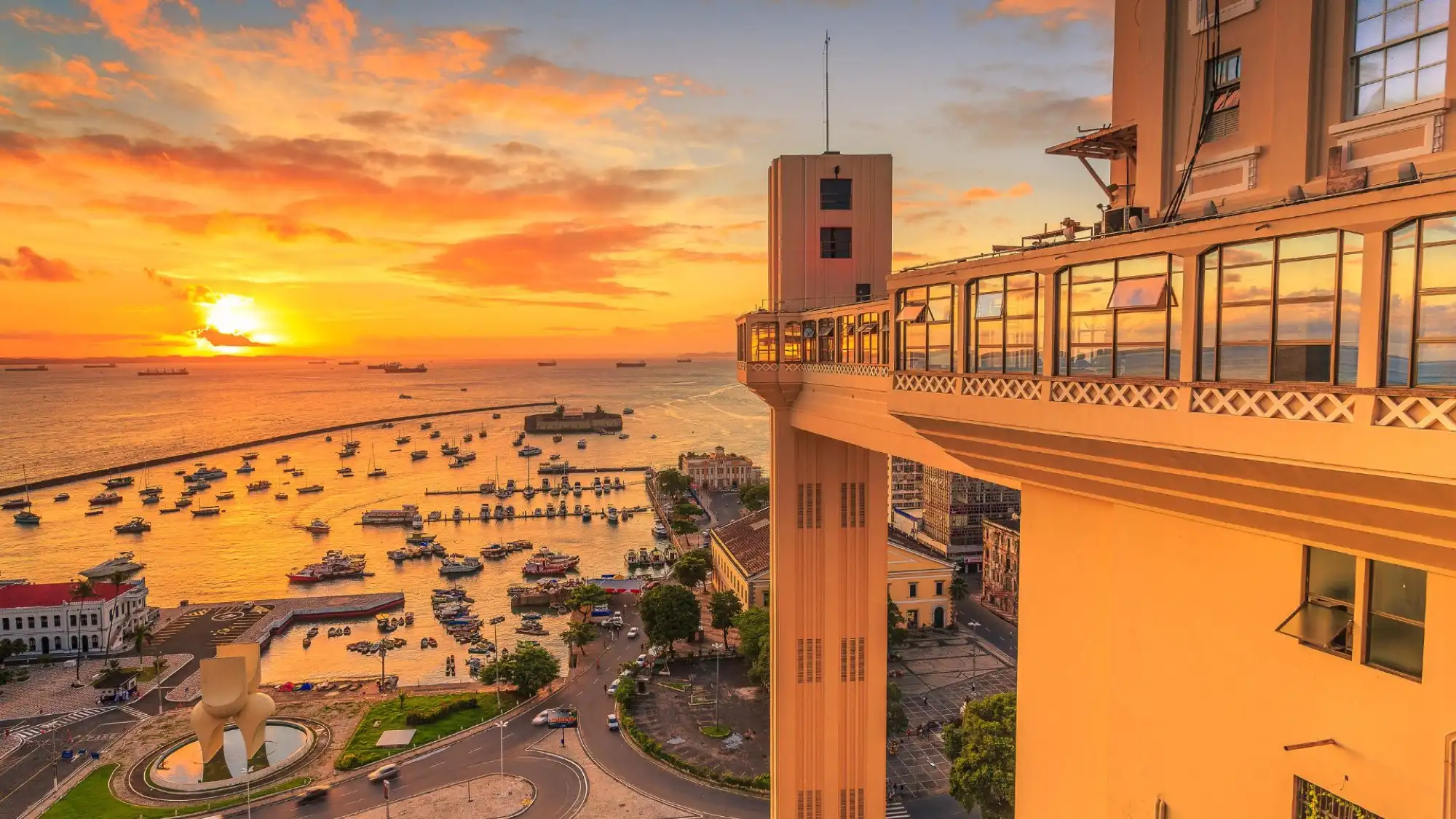
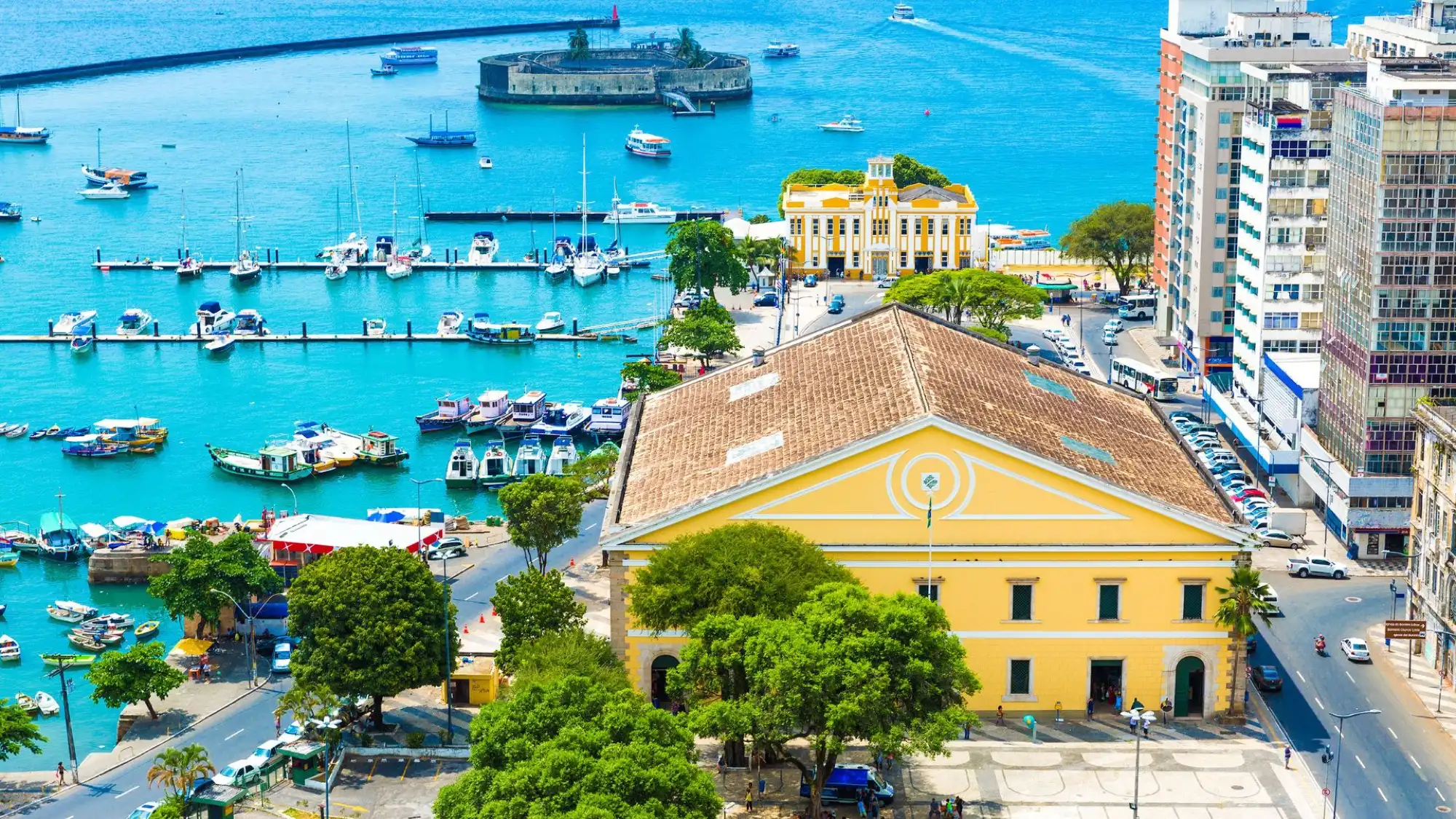
You can’t miss the Elevador Lacerda. Once you’re down, head straight to Mercado Modelo. Sure, it’s touristy, but still worth a look. It used to be a customs house and even held enslaved people at one point, which adds weight to the place.
This neoclassical market building now houses hundreds of vendors selling everything from musical instruments to local handicrafts
My personal tip? Go upstairs to Maria de São Pedro. It’s easy to miss, but their moqueca is unreal, and you get a quiet marina view while you eat.
Farol da Barra (Barra Lighthouse)
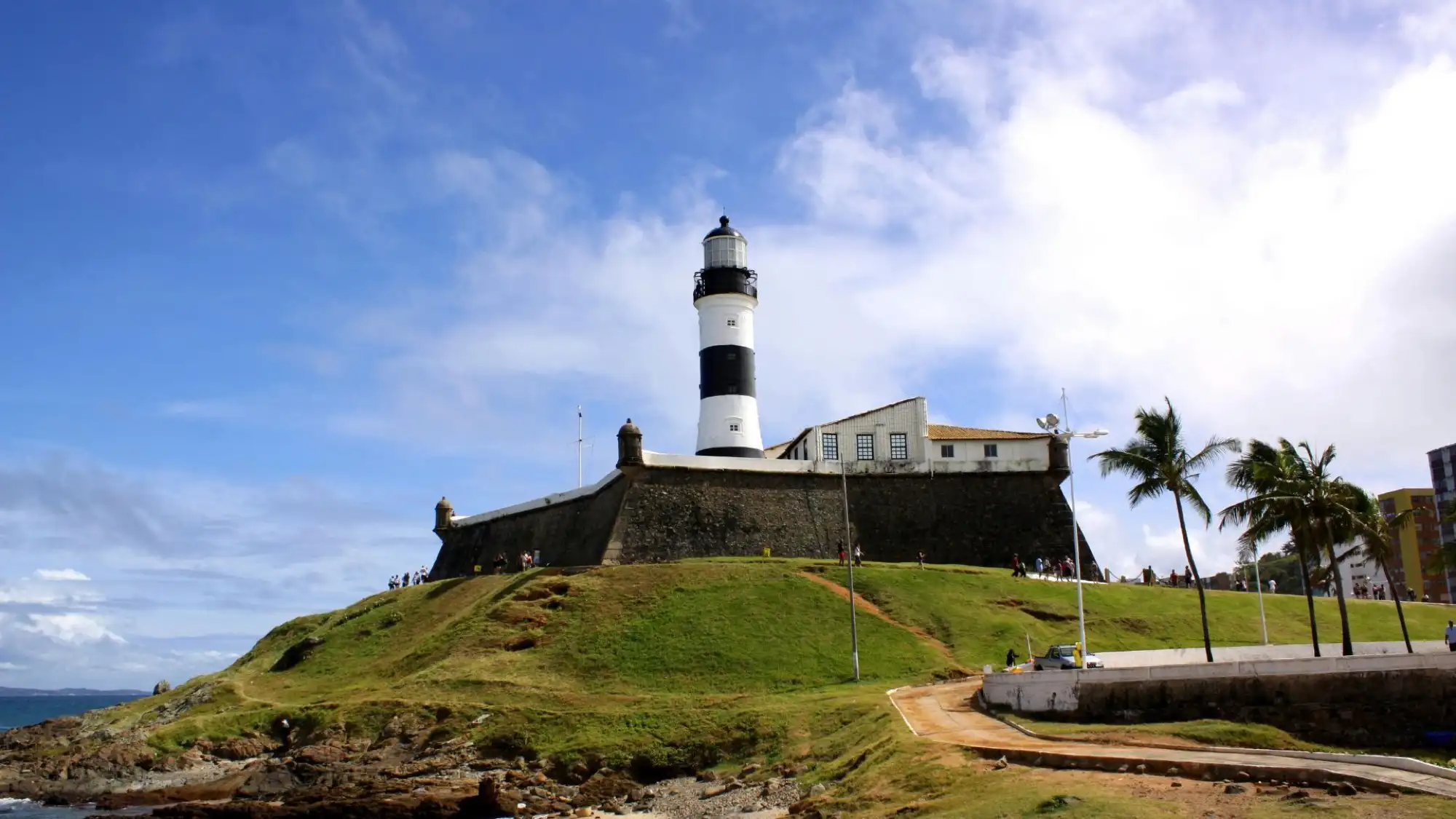
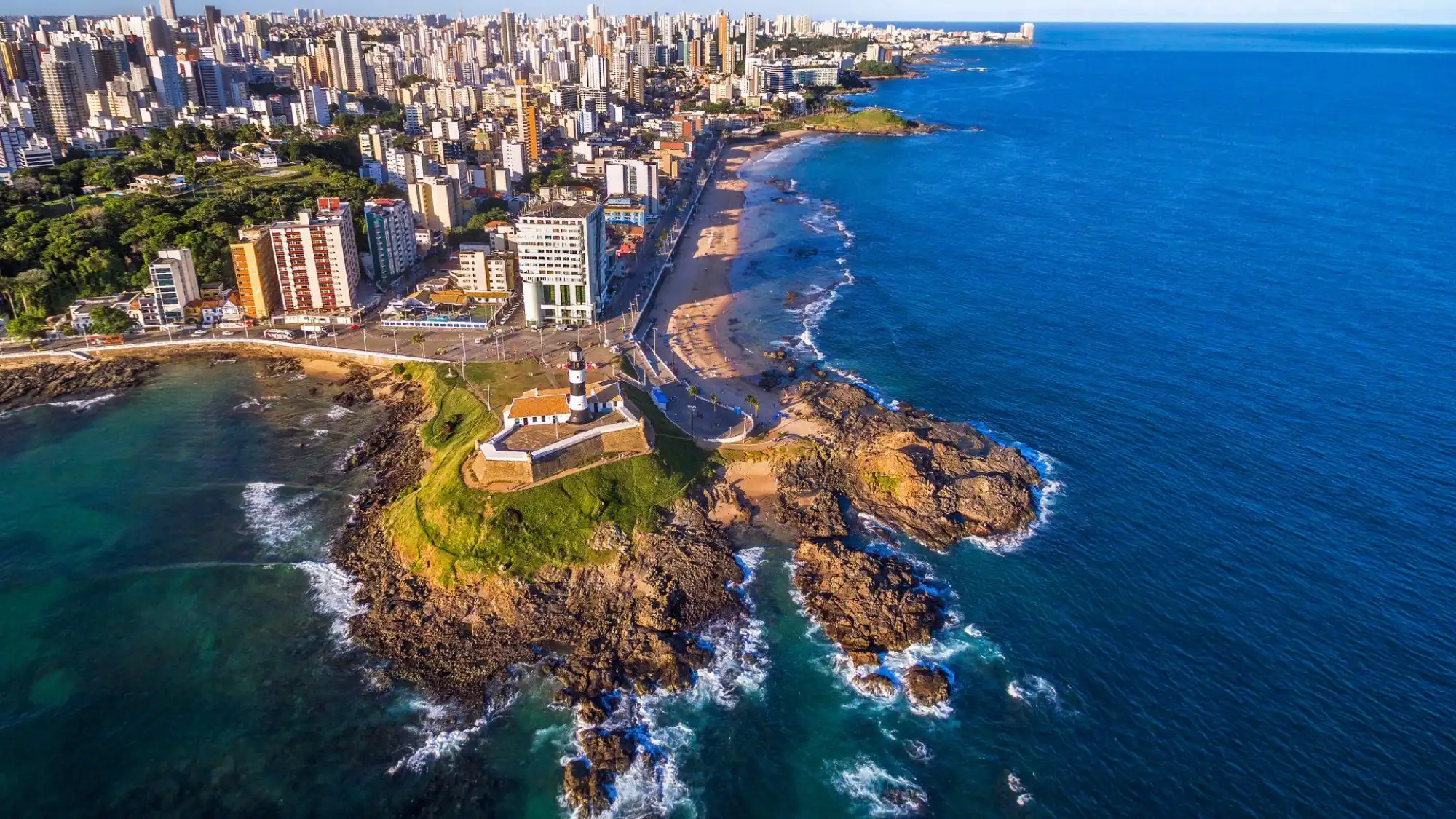
When you need a break from history, head to Farol da Barra. It’s the oldest lighthouse in the Americas and has amazing sunset views. You can visit the small museum, but I prefer watching local fish and listening to drum circles at dusk.
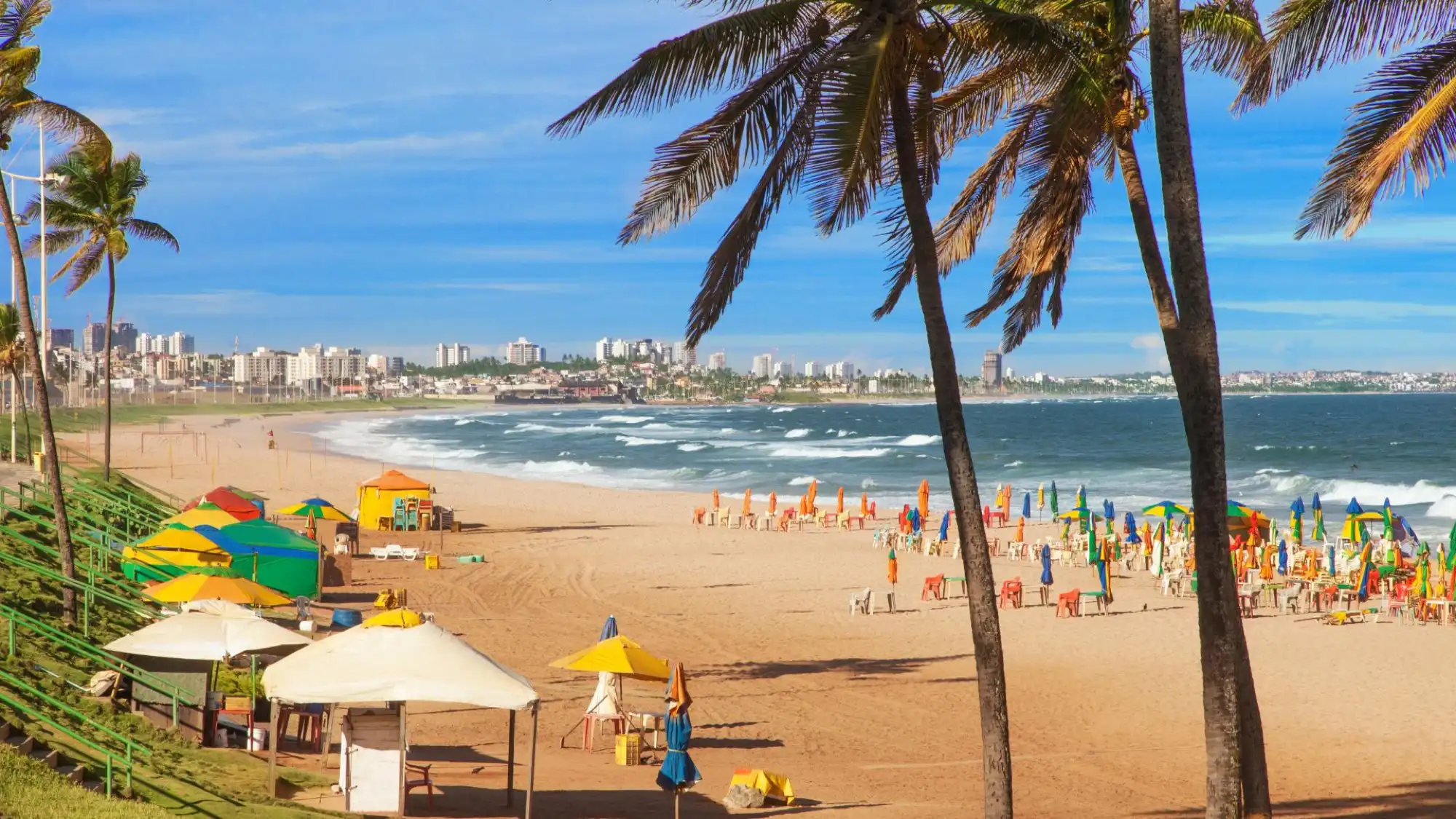
The nearby beaches are also worth it. Porto da Barra is calm and ideal for swimming. Praia do Farol da Barra is a bit rougher but has more space. It gets busy on weekends, which adds to the vibe. Everyone’s relaxed and comfortable, no matter their body type.
National Museum of Afro-Brazilian Culture (MUNCAB)
This newer museum has around 750 pieces by mostly Black Brazilian artists, brought back after tours in the US and Canada. The art includes sculptures, paintings, and religious items that give real insight into Afro-Brazilian culture. It’s a key stop if you want to understand Salvador’s roots.
Experiencing Afro-Brazilian Culture
Salvador isn’t just for looking around. You sense the culture everywhere.
Candomblé & Religious Traditions
Candomblé is a major part of life here. It’s an Afro-Brazilian religion with West African roots. Some tours offer visits to ceremonies, but these are real religious events, not performances, so it’s best to be respectful.
One place I recommend is the Church of Our Lady of the Rosary of the Black People. Built by enslaved Africans, it blends Catholic Mass with drumming and chants from Candomblé. Even if you’re not religious, it’s a powerful experience.
Capoeira & Music
You’ll spot capoeira all over the historic center. It looks like dance, but it started as a martial art used by enslaved people to resist oppression. Instead of just watching, try a beginner class. Some schools offer drop-in lessons, and it gives you a real feel for the movement and rhythm.
Music is everywhere in Salvador. Styles like samba-reggae and axé were born here. Head to Rio Vermelho at night for live shows, Tuesday is the busiest. If you get the chance, check out Balé Folclórico da Bahia at Miguel Santana Theater.
Top tip: Try a percussion class. It’s one of the best ways to connect with the city. Once you learn the rhythms, you start hearing them all around you.
Food & Drink: Beyond the Tourist Menus
Bahian food is bold, rich, and full of African, Portuguese, and Indigenous influences. Skip the overpriced tourist spots and eat where the locals do.
- Acarajé: These deep-fried black-eyed pea balls are stuffed with shrimp paste and okra stew. You’ll see Baianas selling them on the street in white dresses.
- Moqueca: A seafood stew with coconut milk, red palm oil, and veggies. It comes bubbling in a clay pot, usually enough for two. The best I’ve had was at Paraíso Tropical in Cabula.
- Vatapá: Creamy and rich, made with bread, shrimp, coconut milk, and peanuts. It is often served with acarajé or as a side dish.
- Feijoada: A black bean and pork stew you’ll find all over Brazil. In Salvador, try it at Boteco do França.
- Street Food at Markets: Head to São Joaquim Market. It’s loud and a bit messy, but the food is real. Try grilled cheese sticks, fruit juices, and coconut sweets.
Neighborhoods Worth Exploring
There’s more to Salvador than just Pelourinho. Each neighborhood has its own feel, and exploring them shows you the real city.
Rio Vermelho
This is where locals go to eat, drink, and hear live music. The square fills up at night with food stalls selling everything from acarajé to grilled meats. Bars by the water are perfect for sunset.
Locals say Thursday is the best night to go. You’ll hear all kinds of music and see crowds outside Boteco do França.
Santo Antônio Além do Carmo
Just past Pelourinho, this area has the same colonial vibe but with fewer tourists. It’s laid-back, full of excellent food and art, and has some of the best views in town. Friday nights are lively but still feel local. It’s also known for being LGBTQ+-friendly and full of creative energy.
Barra
If it’s your first time in Salvador, Barra is a solid base. It’s safe, close to the beach, and near top sights. The seaside path is busy at sunset with people jogging, chatting, or sipping coconut water.
Graça and Ondina
These quiet neighborhoods are popular with visitors who want a safe, local experience. There’s more security around, and you’re still close to everything. This is an excellent choice for those seeking peace of mind without sacrificing proximity to the action.
Getting Around
Salvador is spread out and hilly, so getting around takes a bit of planning. Here’s what works best:
- Public Transport: Buses cover most of the city, but can be tricky to figure out. The subway is clean and simple to use, but it doesn’t go everywhere yet.
- Ride-Sharing: Uber and 99 are the way to go. They’re cheap, reliable, and much safer than random street taxis. Locals strongly recommend using the apps.
- Walking: For short distances in areas like Pelourinho, Barra, and Rio Vermelho, walking is fine. Just know that it’s steep and cobbled in some places, so wear sturdy shoes.
Local tip: If you’re staying in Barra, use the Barra-Ondina bus line. It’s one of the few routes locals say is tourist-friendly and simple to follow.
Safety Tips (The Honest Truth)
I love Salvador, but like many Brazilian cities, it has security challenges that require awareness:
- Keep valuables hidden and avoid using phones openly on the streets
- Use crossbody bags and front pockets for essentials
- Stay in populated, well-lit areas, especially at night
- Be wary of overly friendly strangers offering “free” bracelets or photo opportunities with performers
- Watch out for the “Timbalada Paint” scam, if someone tries to paint your arm in the street, refuse firmly, as it’s often an extortion setup
- Use ride-sharing apps instead of walking at night (and wait for your ride inside buildings rather than on the street)
- Be especially vigilant in crowded tourist areas like Pelourinho and Mercado Modelo
- Use contactless payment options like Google Pay or Apple Pay to minimize carrying cash
When to Visit
Salvador is a year-round destination with tropical weather, but timing can significantly impact your experience:
Carnival (February/March): Salvador hosts Brazil’s largest street Carnival, even bigger than Rio’s. It’s an incredible experience, but expect massive crowds and premium prices. You’ve got three options for participating:
- Camarotes: Private viewing areas offering comfort and security (but expensive)
- Blocos: Following music trucks (trios elétricos) with a purchased themed shirt (abadá)
- Pipoca: Joining the free public street party (most authentic but requires vigilance)
Salvador’s Carnival is even wilder than Rio’s, more immersive, street-focused, and packed with local energy.
April to June is my personal favorite time. The post-Carnival period brings occasional rain but fewer tourists and pleasant temperatures.
More Than a Destination
Salvador isn’t always easy. Its rugged exterior and history can be quite impactful. But that’s precisely what makes it stand out.
No other city in Brazil blends music, food, faith, and culture like this. Salvador doesn’t just entertain you. It moves you. It shows how a painful past can turn into something powerful and beautiful. Arrive prepared with an open mind, a respectful attitude, and a readiness to venture beyond your comfort zone.
What sticks with me most is how strong the city feels. It’s been through a lot, but the energy is still alive and full of heart.